How Social Media Shapes What Gen Z Eats (And How It Doesn’t)
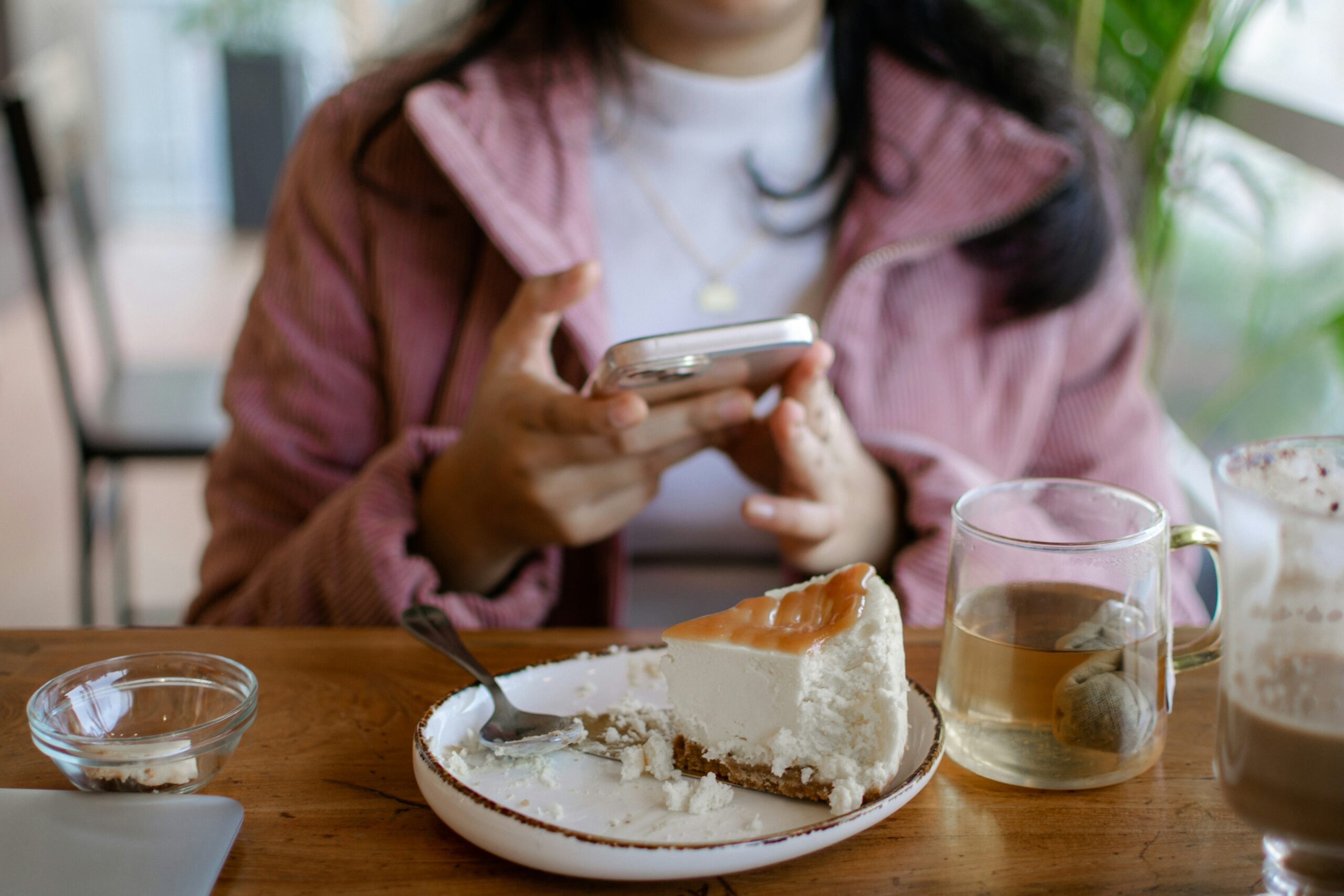
Maya gets her first piece of nutrition advice before she finishes her morning coffee.
She didn’t ask for it. She opens TikTok while the coffee is still brewing and a creator appears to explain why she needs more protein. A few swipes later, someone else is covering gut health. Then a “what I eat in a day” video. Then a recipe promising to make her favorite pasta something she should probably feel better about eating.
By the time she’s on Instagram, she’s already seen a supplement recommendation, a acaii bowl that looks like it required planning and a fitness creator walking through the foods she should be avoiding. Some of it comes from people with real expertise. Some from people who seem credible. Some from people whose main visible qualification is a large following.
For Maya’s generation, this is simply part of the food environment. The advice arrives whether she goes looking for it or not. What the data shows about how Gen Z actually responds is more complicated than the usual assumption that social media is running their diets.
She’s Watching. But Is She Listening?
Later that morning, Maya is deciding what to have for lunch. Does the protein video from two hours ago affect her order?
Very possibly. About 4 in 10 Gen Z say food and nutrition content on TikTok, Instagram and YouTube influences what they eat or drink a great deal or quite a bit. Another roughly 3 in 10 say it influences them somewhat. Taken together, around 7 in 10 Gen Z say social platforms have at least some everyday influence on what they eat.
What makes the picture complicated is that Maya doesn’t have to fully believe something for it to shape her behavior. Repeated exposure to protein explainers, gut health videos and clean-eating posts can make certain ways of eating feel normal and others feel deficient, well before she decides whether any given source is trustworthy.
That exposure does translate into behavior for a meaningful share of Gen Z. About 23% say a food trend showing up repeatedly in their social feed is the main thing that motivates them to try it. For roughly 1 in 4 of Maya’s peers, familiarity in the feed is enough to move the needle. And the numbers bear it out in what they’re actually eating: 40% of Gen Z are currently following a high-protein approach, and 15% are intentionally incorporating gut health and probiotic foods into their routine.
What the Content Changes Even When Behavior Doesn’t
Maya orders her usual lunch. The protein video didn’t change her meal. It may have changed how she feels about it.
She looks at what she ordered and wonders whether she’s getting enough protein. Yesterday it was fiber. Last month the conversation in her feed seemed to be almost entirely about gut health.
Two-thirds of Gen Z experience some version of this. Sixty-seven percent say food content on social media frequently or sometimes makes them feel like they’re eating the wrong things or not eating well enough. Among Boomers+, only 20% feel this way, and 58% say they never do.
That’s a significant kind of influence precisely because it doesn’t show up in a changed grocery list or a different order. Maya may never buy the supplement a creator recommends or attempt the diet described in a thirty-second video. But after enough perfectly composed meals, before-and-after photos and clean-eating posts, her own lunch starts to look like less than it did before she picked up her phone. The food hasn’t changed. The standard she’s measuring it against has.
When She Actually Wants an Answer
A few weeks later, Maya decides she genuinely wants to eat better. Something shifts when the question actually matters to her.
The platforms that have been supplying her with nutrition content all morning aren’t necessarily where she looks for an answer she’ll trust.
For Gen Z specifically, YouTube is the most commonly cited source of nutrition information that truly changes behavior, at 38%. TikTok and Instagram each come in at 29%. Friends and family are cited by 32%, and health or wellness websites by 26%. Doctors and healthcare providers are cited by 21% of Gen Z as a source of behavior-changing nutrition information.
That last figure deserves a pause. For Gen Z, doctors rank below YouTube, below TikTok and at roughly the same level as Instagram as a source of information that actually changes what they eat.
For Boomers+, the picture is nearly inverted. Fifty percent cite doctors as a behavior-changing source, more than any other by a significant margin. Two percent cite TikTok or Instagram.
Social platforms aren’t just one layer of Gen Z’s nutrition information landscape. For a large share of this generation, they are the primary layer.
The Trust Question Has a Different Answer
Ask where Gen Z gets its nutrition information and the platforms lead clearly. Ask which single source she trusts most and the hierarchy shifts.
Doctors and healthcare providers are the most trusted single source for 16% of Gen Z, essentially tied with friends and family at 16% and just ahead of YouTube at 15%, TikTok at 12% and Instagram at 11%. Health and wellness websites are the most trusted source for 9%. Registered dietitians, despite limited social scale, are named most trusted by 5%, a higher share than influencers at 2%.
What this creates is something like a dual information system. Social media is where nutrition ideas reach Maya and often where they shift her behavior. But when she has to name the source she actually believes, the answer is just as likely to be her doctor or her mother as it is any platform. The sources shaping her day-to-day choices and the sources she defers to when the question really matters are not always the same thing.
How Much She Believes What She’s Seeing
There’s one more dimension worth adding. When asked about claims like “high-protein diets improve energy” or “gut health foods reduce anxiety,” 57% of Gen Z say they trust most or at least some of them, viewing the science as generally solid or credible enough to act on. Twenty-seven percent trust very few. Eight percent view it as mostly marketing.
Eight percent of Gen Z say they don’t pay attention to food health claims at all. Among Boomers+, that share is 18%.
For Maya, the content reaches her reliably. Whether it changes her behavior depends on the claim, the source and whether something she trusts more has confirmed it somewhere else.
What This Means for Brands
The reach-and-trust gap in this data is the most strategically important finding for anyone working in food, health or wellness marketing. YouTube, TikTok and Instagram are where Gen Z most often encounters nutrition information that genuinely changes what they eat. But when asked which source they trust most, the platforms consistently give ground to doctors, personal relationships and credentialed experts. The practical implication is that social media performs better as the entry point of a conversation than as the place where the conversation ends. Content that introduces an idea and makes it feel worth exploring is doing different work than content trying to be the final authority on a health or nutrition claim. Brands that understand that distinction, and build their content strategy around it accordingly, are in a better position than those treating reach as the whole job.
The creator influence story is also more nuanced than most brand playbooks currently reflect. Sixteen percent of Gen Z say influencers and content creators provide nutrition information that actually changes their behavior, which is a real number worth taking seriously. Two percent consider creators the source they trust most. That gap doesn’t mean creators are ineffective. It means they are effective at something specific: getting attention, making an idea feel relevant and lowering the barrier to trying something new. Brands that use creators to carry the proof, rather than to spark the curiosity, are asking them to do a job the data suggests their audience won’t let them do. The more productive model pairs creator reach with more authoritative voices, letting each do the work it’s actually suited for.
The emotional dimension of food content also deserves more consideration than it typically gets in content planning. Two-thirds of Gen Z say social media makes them feel like they’re not eating well enough at least some of the time. That’s the baseline emotional environment brands are entering every time they post something about food and health. Content that adds another idealized standard to that environment, another perfect meal or effortless wellness routine, risks creating distance from the audience it’s trying to reach rather than connection. For a generation already managing real financial stress around eating, making good nutrition feel achievable is likely to do more work than making it look admirable.
Those three observations point in the same practical direction. Use social platforms to introduce ideas and make them feel worth exploring. Back those introductions with expert voices, substantiated claims and more durable touchpoints where the trust barrier is lower. Build the credibility into the creative itself rather than leaving it in the fine print. And lead with what’s realistic rather than what’s ideal, because the audience Maya represents has already heard more than enough about how eating is supposed to look.
The Bigger Picture
Tomorrow morning, the nutrition advice will start again before Maya’s coffee is ready. Some of it will introduce a product worth trying. Some will nudge what she has for lunch. And some will make her wonder whether last night’s dinner was as healthy as it should have been.
The most followed voice in her feed isn’t necessarily the one she trusts. Social media has real power to put nutrition ideas in front of Gen Z. The data suggests it has considerably less power to convince her those ideas are actually true.
Discovery happens in the feed. Trust tends to come from somewhere else. For brands trying to reach Maya, that’s the gap worth closing.
Bridget Tirella
Share This Article
Recent Press Releases
Prodege Unveils Conversational AI Within Pollfish Platform, Empowering All Customers to Access Real Human Insights at ScaleEL SEGUNDO, Calif., May 21, 2025 (GLOBE NEWSWIRE) -- Prodege, a leading provider of consumer insigh [...]
FAA Cuts, Airline Incidents Spark Consumer Fear: 55% Report Rising Anxiety About Air TravelA new Prodege study reveals majority of travelers report increased anxiety about flying amid recent [...]
Prodege to Deliver Over $250 Million in Revenue to Mobile Gaming Clients in 2025 Through Rewarded User AcquisitionStrategic Team Expands to Assure Gaming Leadership EL SEGUNDO, Calif., Jan. 30, 2025 (GLOBE [...]