
From October 5–7, Prodege joined research and insights professionals in Denver for TMRE, The Market Research Event. Between conversations at our booth, a session with Cox Automotive and an evening of friendly competition at Flight Club with Outset, one theme kept coming up: How can research teams use new technology to move faster without losing the human expertise that makes insights valuable?
AI was still a major topic, but the conversation felt different this year. The focus has shifted from what AI can do to how researchers can use it responsibly, where it adds the most value and when human judgment needs to lead.
Here are a few key takeaways from our time at TMRE.
1. The pressure to do more with less isn’t going away
Research teams are being asked to deliver more insights, faster, often without additional time or resources. As a result, efficiency remains a major priority across the industry.
Technology is helping teams scale their work, shorten timelines and make research more accessible to stakeholders. AI-assisted DIY platforms, including tools that support survey creation, qualitative research and analysis, are giving researchers more options for getting answers quickly.
But faster research isn’t automatically better research. The real opportunity is finding ways to improve speed and efficiency while maintaining the quality and relevance of the results.
That means choosing the right approach for each business question, whether that’s a self-service platform, a full-service research engagement or a combination of both.
2. The AI conversation is maturing
AI was everywhere at TMRE, but the conversation has moved beyond experimentation. Researchers are increasingly asking for clearer guidelines around its use.
When does synthetic data make sense? Where can AI moderation add value to qualitative research? And just as importantly, when should these methods not be used?
These questions matter as more teams turn to tools like ChatGPT to help design studies, develop questionnaires and analyze results. While these tools can make research tasks more accessible, they also introduce risks when used without the right expertise or context.
Without a solid understanding of research methodology, consumer behavior and the business problem at hand, teams can miss important nuances or draw conclusions that the data doesn’t support. AI is also creating new challenges for research quality, including helping bad actors develop more sophisticated ways to commit fraud.
The takeaway isn’t that researchers should avoid AI. It’s that they need to understand where it works, where it falls short and how to use it responsibly.
3. Human expertise still makes the difference
As AI takes on more research tasks, the value of human expertise isn’t disappearing. If anything, it’s becoming more important.
Technology can help researchers gather information, identify patterns and analyze data at scale. But understanding why consumers behave the way they do, recognizing nuance and connecting findings to a specific business challenge still require thoughtful interpretation.
The same is true when deciding which research method to use in the first place. Not every question calls for the same approach, and not every task should be automated.
The strongest research strategies combine technological capabilities with experienced researchers who can ask better questions, evaluate results and translate findings into meaningful recommendations.
4. Getting to the story matters as much as getting to the data
Another theme that surfaced throughout the event was the growing interest in tools that make data easier to explore and understand.
Researchers and business stakeholders want answers without having to wait through lengthy analysis cycles or navigate complicated reports. Natural-language tools that let users ask questions of their data, including Prodege’s Chat With Your Data tool, are helping make that possible.
Instead of stopping at a chart or a table, users can explore follow-up questions, investigate trends and get to the information they need to tell a clearer story.
This is an important step toward making insights more accessible across an organization. When stakeholders can engage with research more easily, insights teams have more opportunities to influence decisions and help the business act on what it learns.
Of course, the goal isn’t simply to make answers available faster. It’s to help people find the right answers, understand what they mean and use them to make better decisions.
5. More data doesn’t always mean more insight
We also heard plenty of interest in incorporating social media and behavioral data into research. These sources can provide additional context around consumer activity, helping researchers build a more complete picture of their audiences.
When used thoughtfully alongside survey data and other research methods, these signals can reveal useful patterns and add depth to findings.
The challenge is knowing how to bring different sources together in a meaningful way. Additional data is only valuable when it helps answer the business question at hand, rather than adding complexity for its own sake.
As the number of available data sources continues to grow, research expertise will remain essential to evaluating what matters, understanding the limitations and turning multiple inputs into a coherent story.
Putting the ideas into practice with Cox Automotive
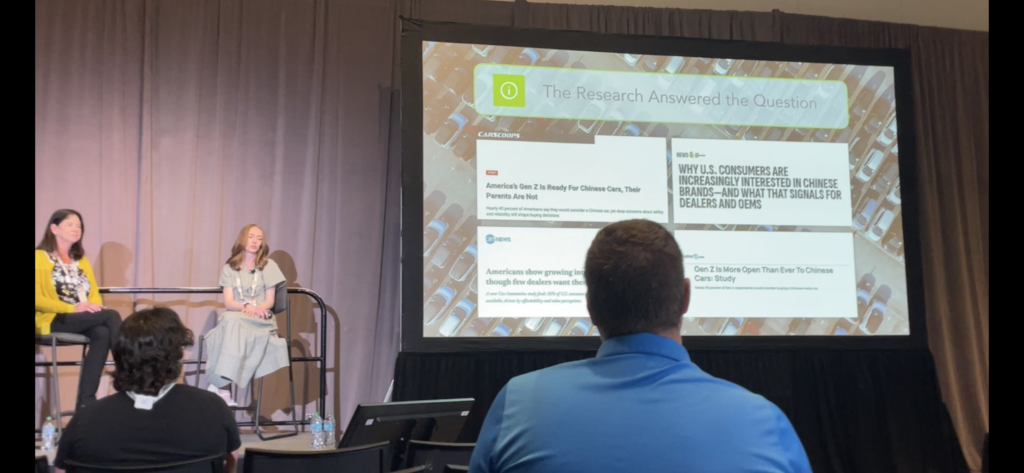
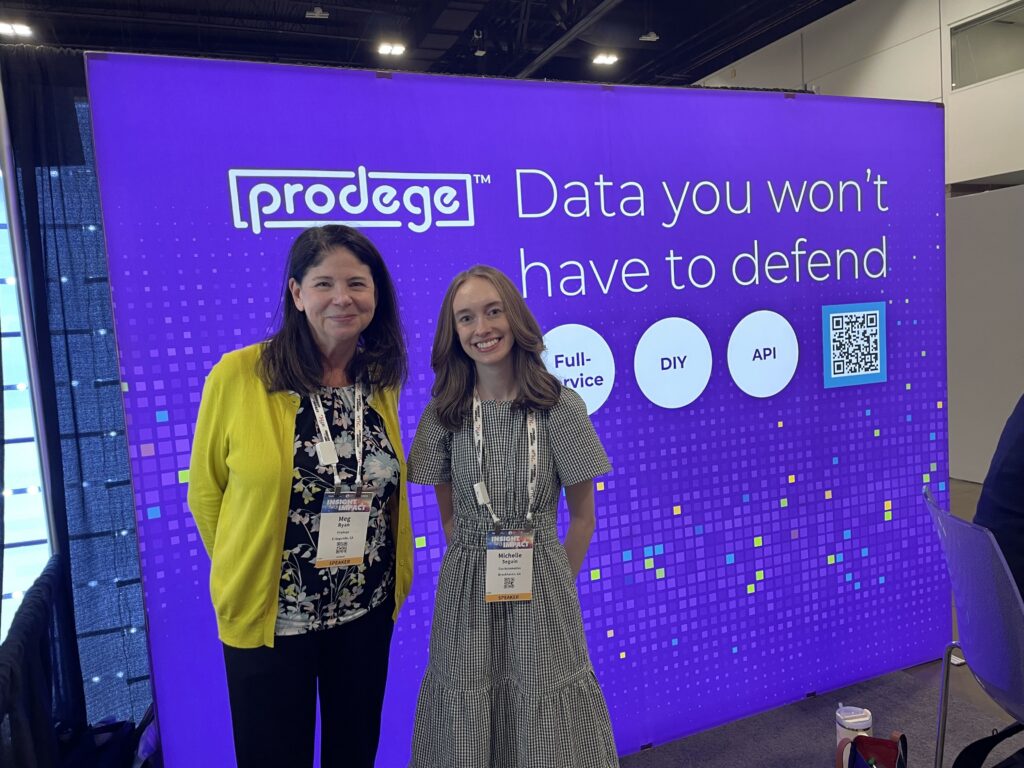
These themes came together during our TMRE session, The New Research Playbook: Where Full Service Meets AI-Assisted DIY, featuring Meg Ryan, Senior Director of Insights at Prodege, and Michelle Seguin, Market and Customer Researcher at Cox Automotive.
The session explored how Cox Automotive has evolved from relying primarily on outsourced research to incorporating an AI-assisted DIY approach, combining Prodege’s full-service research expertise with tools like Pollfish and Insights Builder.
The goal is to match the right approach to each business question, giving teams more flexibility to get answers quickly while maintaining confidence in the results.
It’s a practical example of what we heard throughout TMRE: AI and self-service tools don’t have to replace full-service research. Used together, they can help teams work more efficiently, expand access to insights and make better use of limited resources.
Good conversations, new perspectives and a little friendly competition
TMRE wasn’t just about sessions and technology. Our booth gave us the opportunity to connect with fellow research professionals, hear firsthand about their challenges and talk through how research approaches are evolving.
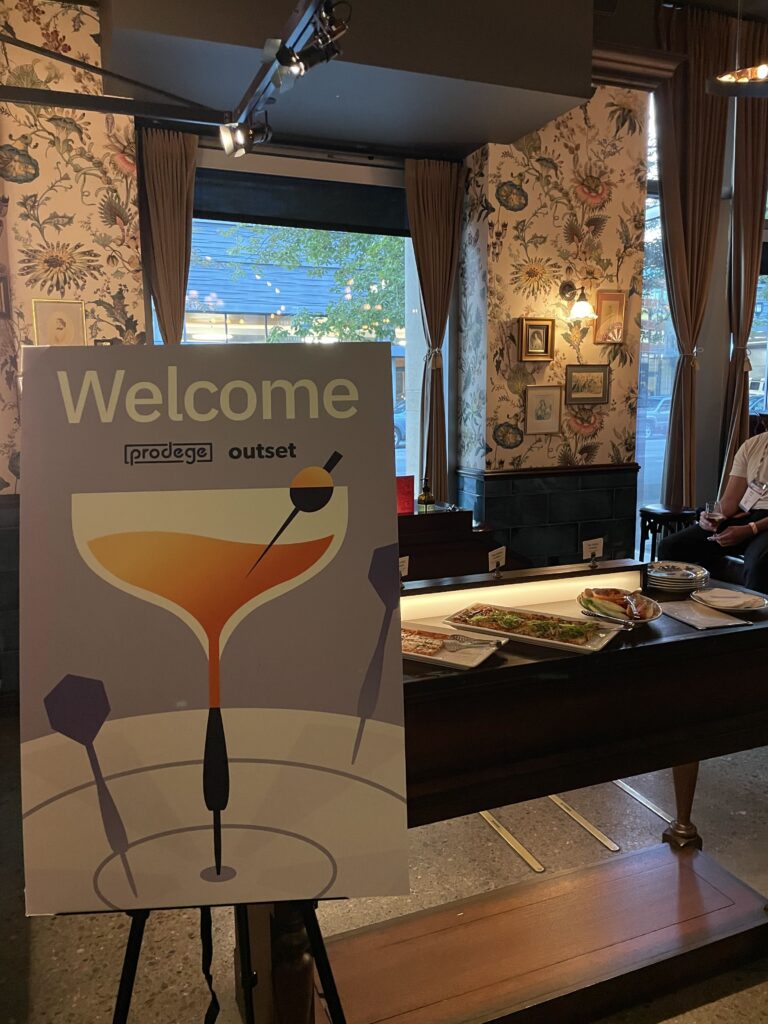
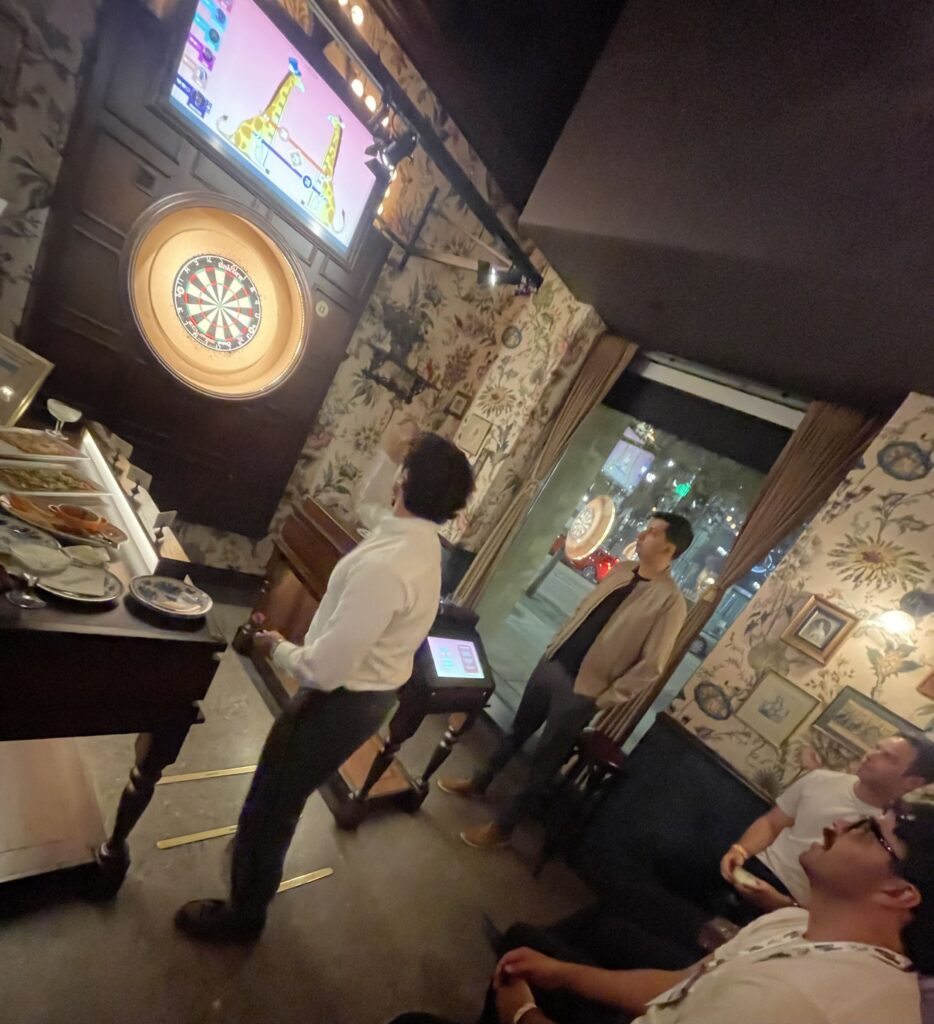
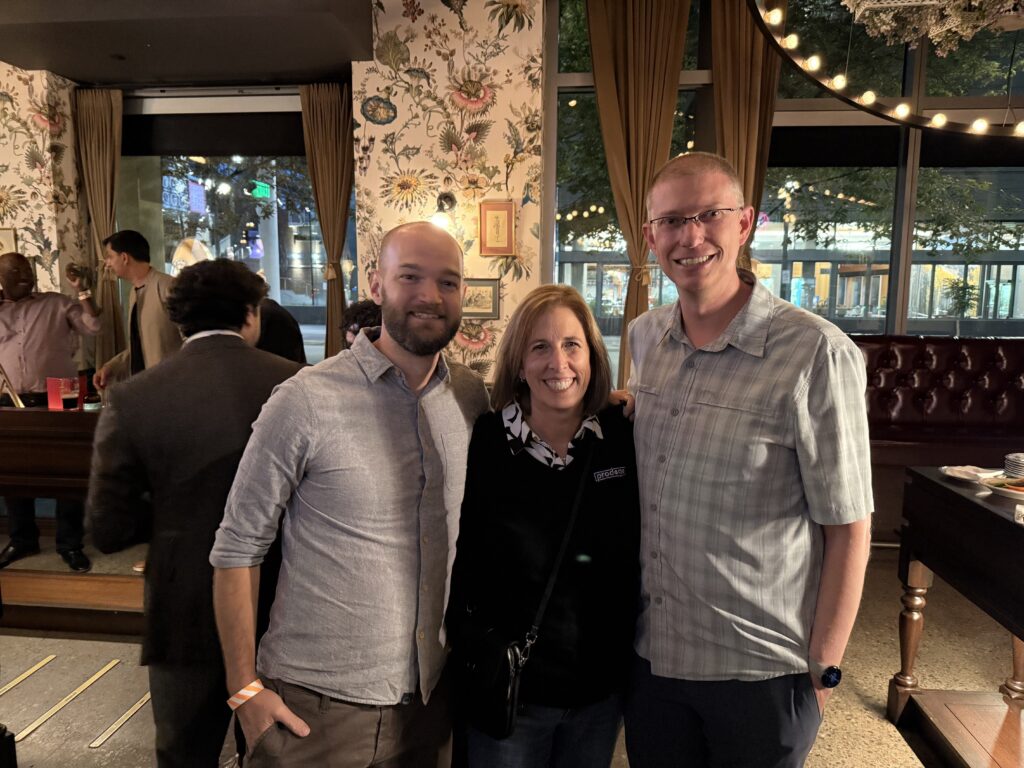
We also took the conversations off the show floor, hosting an evening at Flight Club in Denver with our friends at Outset. It was a great opportunity to keep the discussions going and spend time with people across the industry outside the conference setting.
Looking ahead
If TMRE reinforced anything, it’s that the future of insights isn’t about choosing between AI and human expertise. It’s about understanding how they work best together.
Research teams need tools that help them move faster and do more with less. They also need sound methodology, reliable data and experienced people who can turn findings into decisions.
At Prodege, we see the opportunity in bringing those pieces together, combining full-service research, flexible DIY capabilities and AI-assisted tools to help teams get to better insights in the ways that work best for them.
Ready to elevate your research approach? Connect with the Prodege Insights team today to discuss your next research objective.

Bridget Tirella
Share This Article
Recent Press Releases
Prodege Appoints Todd Parsons Chief Executive OfficerProdege Appoints Todd Parsons Chief Executive Officer Prodege Welcomes Todd Parsons as CEO EL [...]
AdGate Media is Now Part of ProdegeAdGate Media is Now Part of Prodege AdGate Media has officially joined Prodege, a global lea [...]
Prodege Unveils Conversational AI Within Pollfish Platform, Empowering All Customers to Access Real Human Insights at ScaleEL SEGUNDO, Calif., May 21, 2025 (GLOBE NEWSWIRE) -- Prodege, a leading provider of consumer insigh [...]