A red-light therapy mask and a cigarette. A 5K at 9am, an hour after leaving the club. A caption that reads “my hobbies include getting inflamed and reducing inflammation.” Scroll through Gen Z’s feeds and you’ll find the same joke told a thousand ways: wellness and vice, side by side, with no apology for either.
The usual story is that social media is the villain here, the thing quietly wrecking a generation’s mental health and pushing it toward bad habits. New research from Prodege and First & First Consulting suggests the reality is more interesting. Social media isn’t just where Gen Z’s health paradox plays out. It’s where the paradox becomes a look, a persona and, for a lot of young people, a social life.
Heavy scrolling hurts Gen Z less than you’d think
When the researchers compared net mental health against hours spent on social media each day, the expected straight-line decline didn’t show up for Gen Z. The least healthy group was actually the lightest users: Gen Z who spend under an hour a day on social media scored 43% on net mental health, compared with 62% for those spending one to two hours.
From there, Gen Z’s scores drift down gently rather than collapse, landing at 55% for people on social media seven or more hours a day. Millennials swing much harder. Their scores sit in the 60s and 70s at moderate use, then drop to 51% at seven-plus hours, below Gen Z at the same level. Heavy use, in other words, appears to cost Millennials more than it costs the generation that grew up online.
The feed is a social catalyst, not a substitute
One reason heavy use may not hit Gen Z as hard: their screen time doesn’t seem to replace real-world time with friends. Among Gen Z who use social media five or more hours a day, 66% socialize in person multiple times a week. That compares with 60% of mid users (three to four hours) and 56% of light users (under two hours). The same pattern holds for Millennials.
For this generation, the group chat, the tagged post and the shared TikTok are how plans get made. The run club gets found on Instagram. The bar trivia night gets organized in the comments. Social media, as the report puts it, is more than a wellness tool for Gen Z. It’s a social catalyst. And since in-person socializing turned out to be the single strongest indicator of good mental health in the whole study, that matters.
Contradiction is the aesthetic
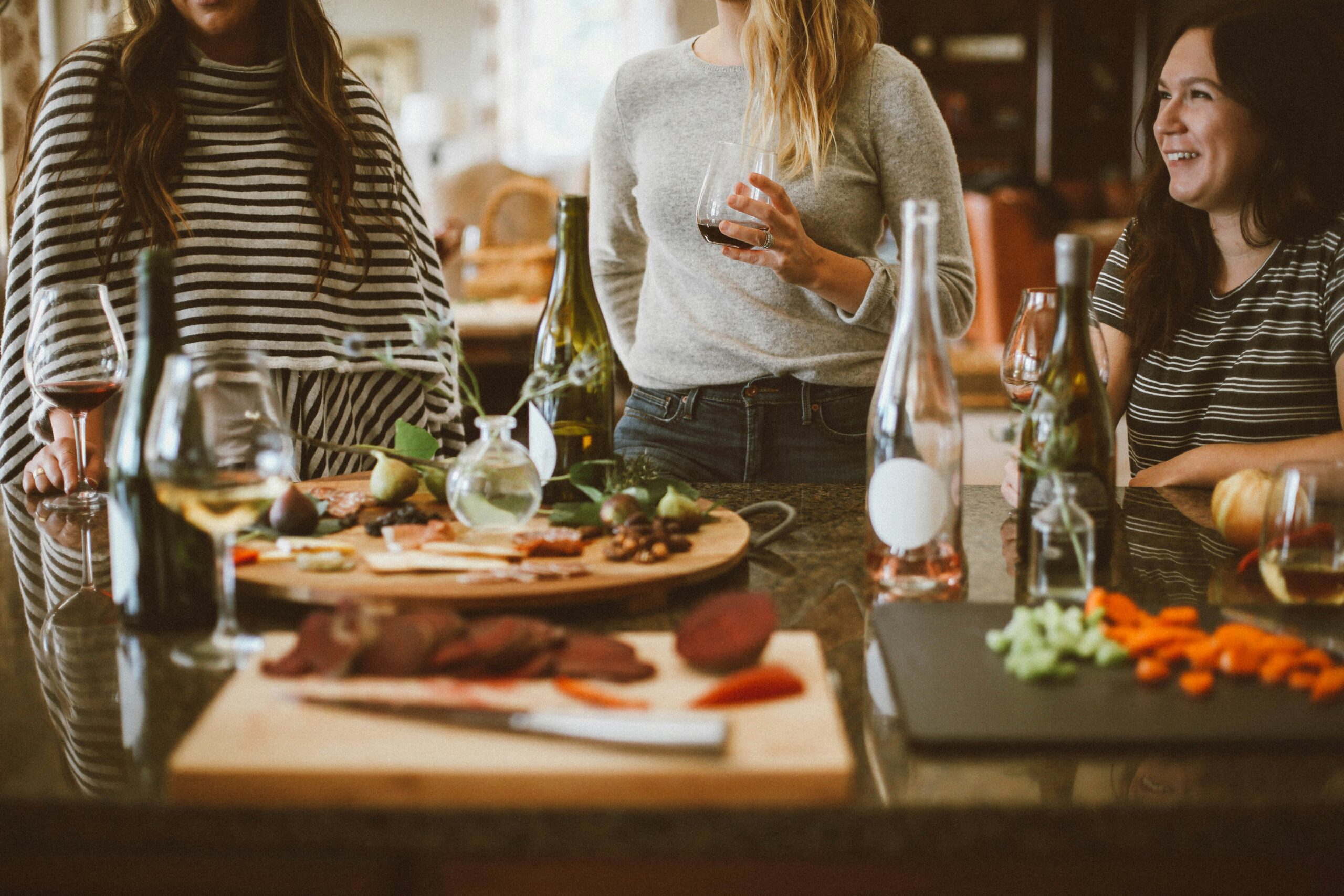
Here’s where social media does something genuinely new. It takes habits that might once have looked like hypocrisy and reframes them as a vibe. Green juice and run clubs on weekdays, “pick your poison” on weekends. Nicotine pouches next to a Pilates mat. A Saturday night of a fridge cigarette and a red-light mask.
26% of Gen Z say social media makes contradictions feel less like compromises and more like part of the aesthetic, compared with 20% of Millennials. The report identifies three things happening at once:
- Contradiction looks intentional. Gen Z blend trends like the “clean girl aesthetic” with open indulgence, creating a more approachable version of wellness.
- Health is something to showcase. The look of having it together can matter as much as the habits themselves.
- Relatability beats perfection. Feeds reward the “I work out, drink green juice, and still love my vices” persona over the flawless one.
Not everyone sees this as harmless. One Gen Z man in the survey put it bluntly: “Certain habits like drinking energy drinks are heavily pushed on social media so they see it — if they can do it, so I should do it.” Another warned that pressure from online communities can push people toward habits that become a way to avoid their real problems.
The pressure isn’t to be perfect. It’s to be a persona.
Social media hasn’t only created pressure to look flawless; it has created pressure to be a recognizable character. Wellness is one of the main tools Gen Z uses to build that character.
The pressure is sharpest among the people living the contradiction. 40% of Gen Z who combine regular wellness habits with regular vices say they feel pressure to present a certain lifestyle online. That falls to 31% among wellness-only Gen Z, 29% among vice-only and just 12% among those who do neither.
The same anxiety shows up offline. Gen Z describe a kind of surveillance culture, where any moment could become content. “Everyone today has this built-in fear of being recorded doing something they will be embarrassed by,” one TikTok user wrote. That fear helps explain why some young people are cooling on heavy drinking: it’s less about disliking alcohol and more about not wanting to look out of control on someone else’s story.
What they say about scrolling vs. what they do
Gen Z’s relationship with their phones is its own small paradox. 57% say they could easily go a day without social media. Yet 61% scroll three or more hours a day.
It’s a reminder not to take self-reported attitudes at face value. Gen Z may genuinely believe they’re in control of their screen time, and for many, the data suggests that time is tied to a fuller social life rather than a lonelier one. But the gap between the story they tell and the hours they log is real.
What this means for brands
The report’s core advice is simple: don’t ask Gen Z to choose. Brands that preach wellness purity, or that treat indulgence as something to hide, are positioned outside the life Gen Z is actually showing online. The opportunity is to sit inside the contradiction.
That audience is worth reaching. The study’s “contradiction consumers,” who mix wellness and vice, spend 59% more on wellness than wellness purists. They’re also 12 percentage points more likely to say social media influences what they buy.
A few practical takeaways follow:
- Speak the language of balance, not perfection. Content that winks at the green-juice-and-a-beer lifestyle will feel more honest than content that pretends it doesn’t exist.
- Design for the share. If contradiction is an aesthetic, products and moments that photograph well inside it have a built-in distribution channel.
- Watch behavior, not just stated attitudes. As the screen-time numbers show, what Gen Z say about social media and how they use it can be very different.
- Remember the feed leads offline. Social media drives in-person plans for this generation, so the strongest campaigns may be the ones that give people a reason to get together.
Want to find out more about the Gen Z health paradox?
About the research
The Gen Z Health Paradox is a joint study by First & First Consulting and Prodege. It surveyed 3,000 US adults aged 21 to 80 through Prodege’s proprietary panel in June 2026: 1,000 Gen Z, 1,000 Millennials, 500 Gen X and 500 Baby Boomers. Because respondents were 21+, findings may not reflect younger Gen Z. The survey was paired with social listening across 78,000 public, English-language posts from 42,000 authors on TikTok, Reddit, X, Pinterest and forums.

Bridget Tirella
Share This Article
Recent Press Releases
Prodege Appoints Todd Parsons Chief Executive OfficerProdege Appoints Todd Parsons Chief Executive Officer Prodege Welcomes Todd Parsons as CEO EL [...]
AdGate Media is Now Part of ProdegeAdGate Media is Now Part of Prodege AdGate Media has officially joined Prodege, a global lea [...]
Prodege Unveils Conversational AI Within Pollfish Platform, Empowering All Customers to Access Real Human Insights at ScaleEL SEGUNDO, Calif., May 21, 2025 (GLOBE NEWSWIRE) -- Prodege, a leading provider of consumer insigh [...]